Same-Day Appointments — Denton, Troy & All of North Carolina
Community behavioral health hubs plus telehealth: Denton Community Hub — provider onsite Tuesdays

Understanding Anxiety Disorders: Symptoms, Types, and Treatment
Quick Facts: Anxiety Disorders in NC
- ✓ Anxiety disorders are the most common mental health condition.
- ✓ GAD, panic disorder, social anxiety, and PTSD are all treatable.
- ✓ Medication management significantly reduces anxiety symptoms.
- ✓ Same-day telehealth appointments available at Pinnacle BHW.
- ✓ Insurance accepted including BCBS NC, Aetna, Cigna, Medicaid.
- ✓ No referral needed. All care via secure video visit.
Anxiety is more than worry — it's a medical condition that affects millions of people. Learn about anxiety types, symptoms, and evidence-based treatments available in North Carolina.
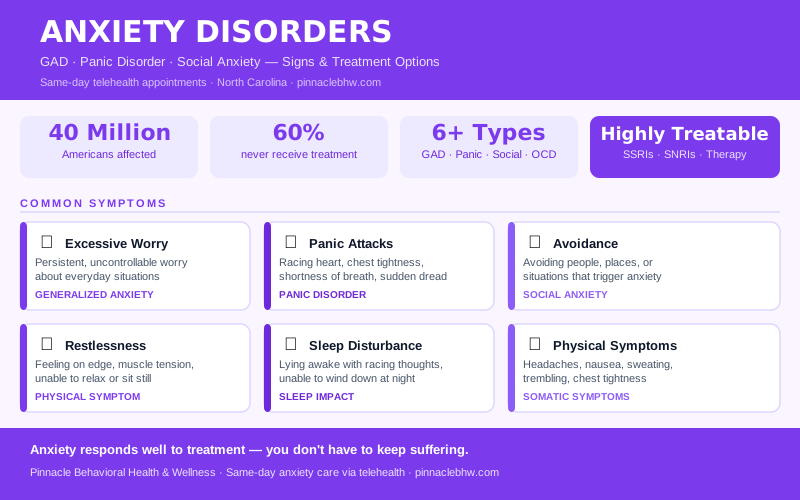
What Anxiety Disorders Can Look Like
Anxiety disorders are the most common mental health conditions in the United States, affecting over 40 million adults. They involve more than everyday stress — anxiety disorders cause persistent, intense fear that interferes with daily life.
While anxiety is a normal response to stress, an anxiety disorder develops when the fear response becomes disproportionate, hard to control, and significantly impacts relationships, work, and wellbeing. With treatment, most people experience substantial relief.
Key Things to Know:
- • Anxiety disorders are the most common mental health condition in the US
- • They affect both emotional and physical health
- • Anxiety frequently co-occurs with depression and ADHD
- • Treatment includes medication, therapy, or a combination — most people improve significantly
- • Early treatment prevents anxiety from becoming more severe
Anxiety Can Affect:
- • Mood and emotional stability
- • Physical health (heart, digestion, muscles)
- • Sleep and energy
- • Work and academic performance
- • Social relationships
- • Daily activities and quality of life
Emotional Symptoms
- • Excessive worry
- • Fear and dread
- • Irritability
- • Sense of impending doom
- • Difficulty relaxing
Physical Symptoms
- • Racing heart
- • Shortness of breath
- • Muscle tension
- • Sweating or trembling
- • GI distress, nausea
Cognitive Symptoms
- • Catastrophic thinking
- • Difficulty concentrating
- • Mind racing or blank
- • Overthinking decisions
- • Hypervigilance
Anxiety Treatment by City
Anxiety Resources & Guides
How Anxiety Treatment Works
Same-day anxiety evaluations available for adults across North Carolina.
Understanding Anxiety Disorders: Types, Causes, and Treatment
Anxiety disorders are the most common category of mental health conditions in the US. They affect about 40 million adults each year. All anxiety disorders share some features: elevated physical arousal, mental preoccupation with perceived threats, and avoidance of feared situations. But each type has its own symptom pattern, typical course, and best treatment approach. Identifying the specific type of anxiety disorder is the first step toward effective care.
Generalized Anxiety Disorder (GAD) involves chronic, excessive worry that is hard to control. People with GAD worry about many areas of life — health, finances, work, relationships, and the future. Physical symptoms often include muscle tension, fatigue, sleep problems, and irritability. Unlike specific phobias, GAD has no single trigger. The worry feels constant and widespread. Many patients have always thought of themselves as worriers and do not realize this is a treatable condition.
Panic Disorder and Panic Attacks
Panic disorder involves repeated, unexpected panic attacks. These are sudden surges of intense fear that peak within minutes. Physical symptoms include a racing heart, chest pain or tightness, shortness of breath, sweating, trembling, dizziness, and tingling. A sense of unreality or detachment is also common. Panic attacks come with a fear of the attack itself — fear of losing control, having a heart attack, or dying. This fear of fear creates a cycle. Patients become hypervigilant for early warning signs, which raises arousal and makes future attacks more likely.
Untreated panic disorder often leads to avoiding places where escape feels hard. Driving, crowded places, and public transit become difficult. Many patients stop going out as a result.
Social Anxiety, Performance Anxiety, and PTSD
Social anxiety disorder is more than shyness. It involves intense fear in social or performance situations. People fear being judged or embarrassed. This can cause significant distress and avoidance.
PTSD arises from exposure to trauma. This includes experiences of death, serious injury, or violence. PTSD involves flashbacks, nightmares, and intense emotional reactions. It can make daily life very difficult.